

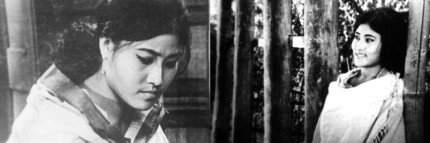
When the phrase ‘the first film of Manipur’ is uttered, what comes to mind? For anyone with a keen interest in Manipuri film history or general knowledge, the answer would be ‘Matamgi Manipur‘. Although Matamgi Manipur is officially regarded as the first Manipuri film, and ‘Mami Numit’ (literally, ‘Day for Cinema’) is celebrated every year on April 9th, the day of its release in 1972, there’s also a consensus among film critics and scholars that the 1973 film ‘Brojendrogi Luhongba’ should be considered the first Manipuri film.
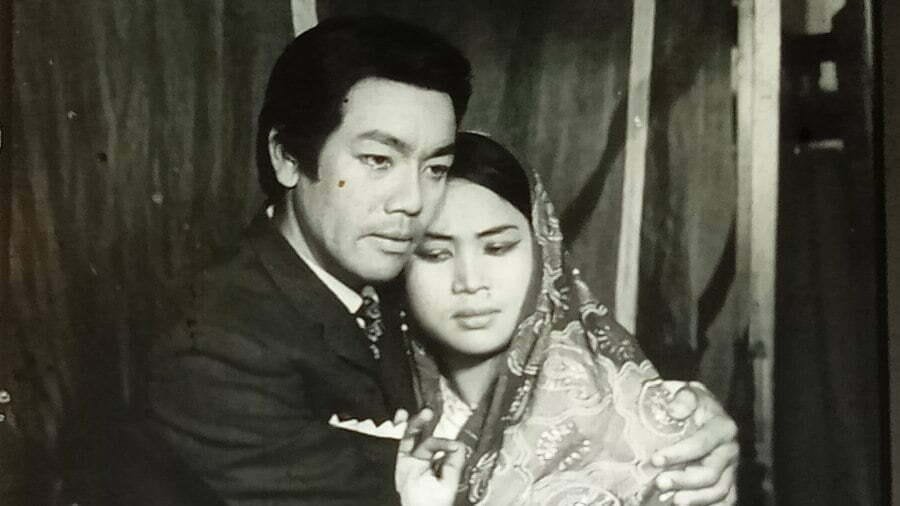
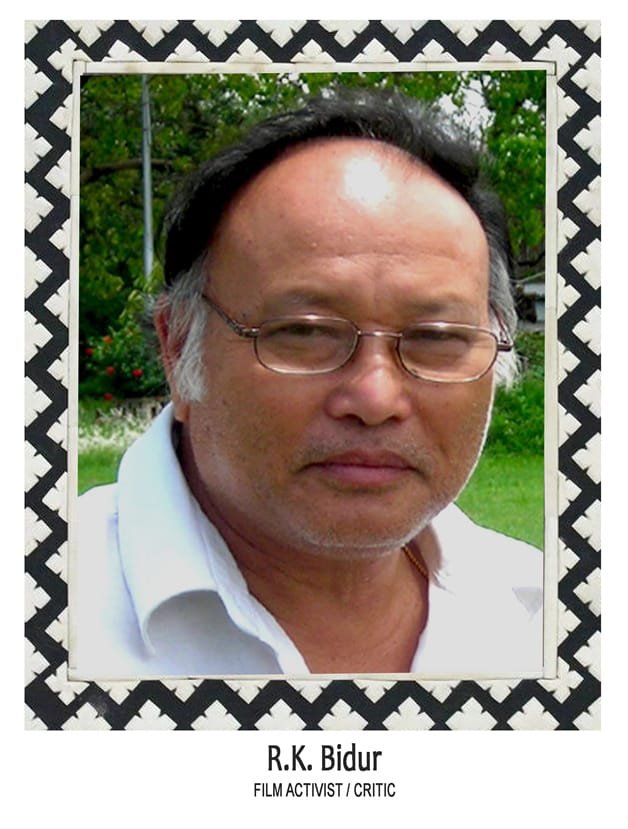
Brojendrogi Luhongba, released in January 1973, holds the distinction of being the first Manipuri film directed by a Manipuri, Sapam Nodia Chand, who is also regarded as the ‘Father of Manipuri Cinema’. The notion that Brojendrogi Luhongba should be hailed as the first Manipuri film was propounded by the late RK Bidur, the first film critic from Manipur to have won a National Award in the Best Critic category. RK Bidur not only propounded this notion but also claimed that January 26th should be considered the birthdate of Manipuri Cinema, commemorating the release of Brojendrogi Luhongba on the same date in 1973.
To strengthen his notion, he cited the example of how the first Indian film is credited to Raja Harishchandra, released in 1913, rather than Shree Pundalik, which was released a year earlier in 1912. He also claimed that a film is a director’s medium, and hence, the credit for being the first film should be attributed to the director’s work. According to him, since Matamgi Manipur was directed by Debkumar Bose, a Bengali, Brojendrogi Luhongba deserved the epithet of the First Manipuri Film.
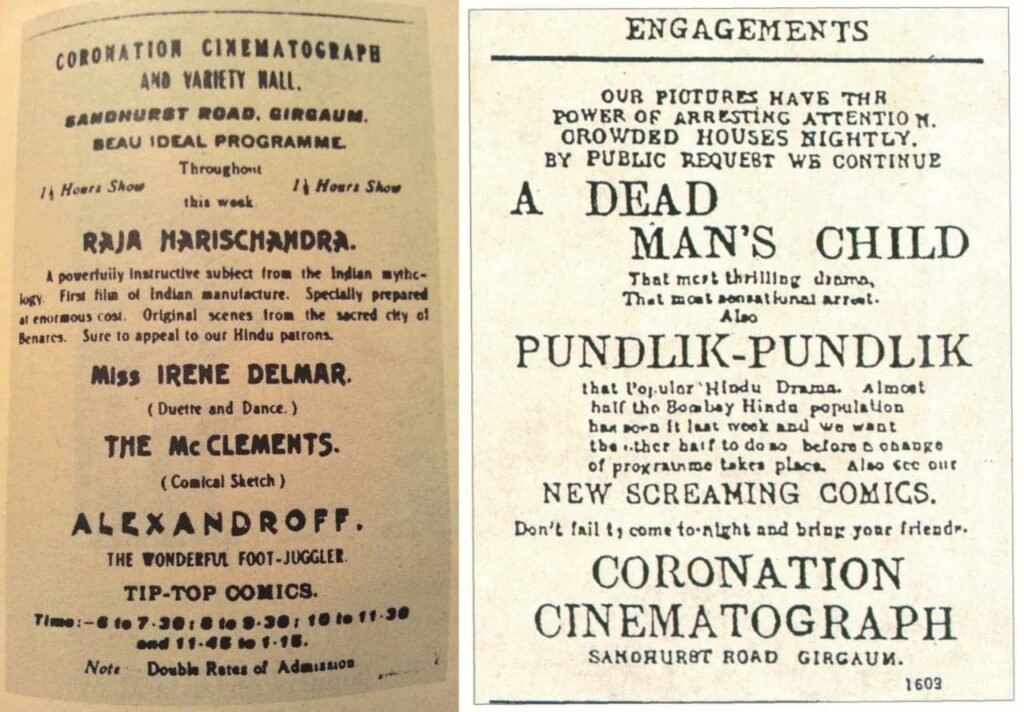
To understand his claims better, it’s essential to grasp the background behind the official recognition of Raja Harishchandra (1913) as the first Indian film, rather than Shree Pundalik (1912). There are several reasons why Dadasaheb Phalke’s film is regarded as the first:
1) It was a full-length feature film, unlike Shree Pundalik, which was more akin to a recorded stage play;
2) Although Shree Pundalik had an Indian director, Dadasaheb Torne, the cameraman, Johnson, was British; and
3) Raja Harishchandra was made with an entirely Indian team, representing the first fully self-contained Indian film production, unlike Shree Pundalik, which was processed in London.
For these reasons, Shree Pundalik isn’t considered the first Indian film, despite being directed by an Indian.
Moreover, RK Bidur’s notion that the film is the director’s medium can be partly based on the Auteur theory, which originated with French critics in the 1940s-50s. This theory posits that the director is the film’s auteur (author), whose unique artistic vision and personal themes are considerably identifiable across their body of work. Therefore, his notion likely stemmed from this theory: if the director is the author, then the first film authored by a Manipuri director marks the true beginning of Manipuri cinema, regardless of who released a film first.
However, it’s also important to understand that the Auteur theory is heavily criticized for overlooking the contributions of hundreds of other artists and technicians involved in filmmaking, such as cinematographers, editors, writers, production designers, and actors. In this context, Matamgi Manipur, although directed by a Bengali filmmaker, featured an all-Manipuri cast, Manipuri playback singers, and a Manipuri music director, with the story and dialogues written by Manipuris. When it comes to cinematography and editing, it’s worth noting that most Manipuri films released between 1972 and the late 1980s were handled by non-Manipuri technicians, including Brojendrogi Luhongba. In this sense, it would be unfair to dismiss the hard work of all these individuals simply because the director was a Bengali.
Furthermore, comparing the Matamgi Manipur vs. Brojendrogi Luhongba debate to that of Shree Pundalik and Raja Harishchandra is unfair on several counts. Firstly, Matamgi Manipur was a full-length feature film, whereas Shree Pundalik was a photographic recording of a popular Marathi play. Secondly, both Matamgi Manipur and Brojendrogi Luhongba were cinematographed and edited by non-Manipuri technicians, whereas in the Shree Pundalik vs. Raja Harishchandra debate, the distinction lay in the fact that the former was cinematographed by a British technician and the latter by an Indian. Finally, the ‘director’ angle doesn’t apply to the first Indian film debate, as both directors were Indian, making the comparison irrelevant when it comes to the debate on the first Manipuri film.
After analyzing the above points in light of this debate, I personally think that the notion that Brojendrogi Luhongba should be regarded as the first Manipuri film is a bit of a stretch and disregards the contributions of the actors and other Manipuris who worked tirelessly to bring Matamgi Manipur to the silver screen. Having said that, Sapam Nodia Chand respectfully deserves recognition as the ‘Father of Manipuri Cinema’ for venturing into film direction at a time when producing a Manipuri film was a distant dream.
References:
- Wahengbam, Bobby. (2015). Manipuri Cinema: A World of its Own. Yaibiren Communications.
- Was The 1912 Marathi Movie Shree Pundalik India’s First Feature Film? What We Know | Movies News – News18

Daniel Yumkham | Film Critic and Researcher
Passionate about history and Manipuri culture, Daniel shares film reviews and research on:
-Manipuri Cinema (Instagram : thefilmdiary )
-Regional History and Traditions.